Sign in. It’s quick, free and it’s up to you.
An account is an optional way to support the work we do. Find out more.
Sign in. It’s quick, free and it’s up to you.
An account is an optional way to support the work we do. Find out more.
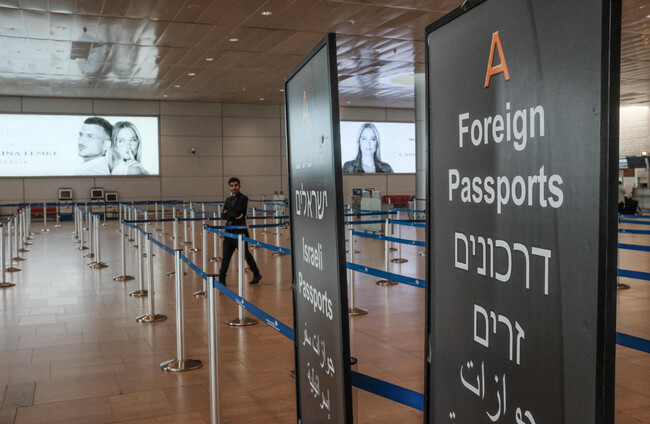
THE NUMBER OF Irish citizens who have been refused entry to Israel by the country’s border enforcement agency has almost doubled since 2023, the year of the 7 October attacks.
The increase in refusals comes amid a huge drop in visitors to Israel both from Ireland and internationally since the beginning of Israel’s war in Gaza.
Official statistics show that fewer than a million tourists and day visitors arrived in 2024, down from more than three million in 2023, though this rose to about 1.3 million again last year.
Irish statistics mirror that trend, with the number of tourists who visited Israel dropping from almost 9,000 in 2023 to just 1,300 in 2024, before rising again to roughly 2,000 last year.
It means the number of refusals went from around one in every 900 Irish people visiting Israel in 2023, to one in every 65 people in 2024 and one in every 117 people in 2025.
This year’s rate of refusals is around one in every 73 people so far, with around 1,400 Irish people visiting Israel between January and October this year.
Figures provided to The Journal by Israel’s Population and Immigration Authority at the start of this month showed that at least 19 Irish citizens have already been refused entry in 2026 to date.
A further 20 Irish people were denied entry in 2024, with 17 refused entry in 2025, meaning that 56 citizens in total have been refused entry in the last three years.
In contrast, just 40 Irish citizens were refused entry by Israel in the years 2020 to 2023, though the lower number can partly be attributed to international travel restrictions as a result of the Covid pandemic.
Just three Irish people were refused entry to Israel in 2020 and a further 12 people were refused entry in 2021, when many countries experienced lockdowns and did not allow their citizens to travel abroad.
In 2022, when citizens in most countries were allowed to travel again, a total of 15 Irish citizens were denied entry to Israel, with another 10 Irish people refused entry in 2023.
The figures come after Irishman Manus Carlisle told The Journal last month that he was refused entry to Israel in October, saying that he believed his nationality was a factor.
He said he intended to travel to the occupied West Bank at the time, and that he met two other Irish people who were refused entry at the same time as him.
People travelling to Palestinian territory must pass through Israeli-controlled entry points and often travel via Israel to do so, though they may also cross from Jordan.
Sinn Féin MEP Lynn Boylan was also refused entry to Israel last year, when she travelled to the country in an official capacity as part of a pro-Palestine delegation.
Irish travel advice states that immigration authorities can deny people entry to Israel and urges Irish citizens to avoid non-essential travel to Israel, the second-highest level of warning that the Department of Foreign Affairs can issue.
The Association for Civil Rights in Israel said last month that it has appealed to the Population and Immigration Authority over what it claims has been an increase in foreign reporters being refused entry to the country.
In the period since the Hamas-led attacks of 7 October 2023, Israel has tightened entry requirements, introducing advance electronic travel authorisation for visitors from visa-exempt countries, including Ireland, and expanding the grounds on which foreign nationals can be barred.

To embed this post, copy the code below on your site














have your say